Forty years ago, finding authentic regional cuisine meant traveling to that region. Now an algorithm can point you toward the real thing in your own city – or warn you away from the tourist trap pretending to be authentic.
Beyond the Tourist Menu
Every cuisine gets watered down when it crosses borders. The flavors that locals love get softened for outsider palates. Dishes that don’t photograph well disappear from menus. Ingredients that are hard to source get substituted.
AI-powered food discovery platforms are starting to identify restaurants that resist this pressure. They analyze menu language, cross-reference with immigrant community forums, and track which places attract diners from specific cultural backgrounds.
A search for “authentic Sichuan” used to return any restaurant with mapo tofu. Now it might specifically highlight places using Sichuan peppercorns rather than substitutes, sourcing ingredients from specialty importers, and serving the mouth-numbing mala that defines the cuisine.
The Language of Food Photos
Image recognition has become remarkably sophisticated. AI can now analyze food photography and estimate how closely a dish matches its traditional preparation. Not just whether it looks appealing, but whether it looks correct.
This matters because restaurants optimize for American expectations. Bright colors photograph better than the brownish hues of slow-cooked authenticity. Portions get larger for Instagram impact. Presentation trumps tradition.
AI can spot these adaptations and flag them. It might note that a restaurant’s pad thai consistently shows protein-heavy portions with less tamarind coloring than Bangkok street vendors typically produce. That’s useful information for diners seeking the real thing.
Community Verification
The most interesting development is AI-assisted community verification. Platforms are recruiting native speakers of various cuisines to help train their systems. These cultural consultants identify the markers of authenticity that algorithms alone might miss.
A Vietnamese restaurant might serve excellent food that wouldn’t pass in Saigon. An Ethiopian place might nail the injera but miss on the berbere spice mix. These nuances require human expertise that AI can then amplify and apply at scale.
Preservation Through Technology
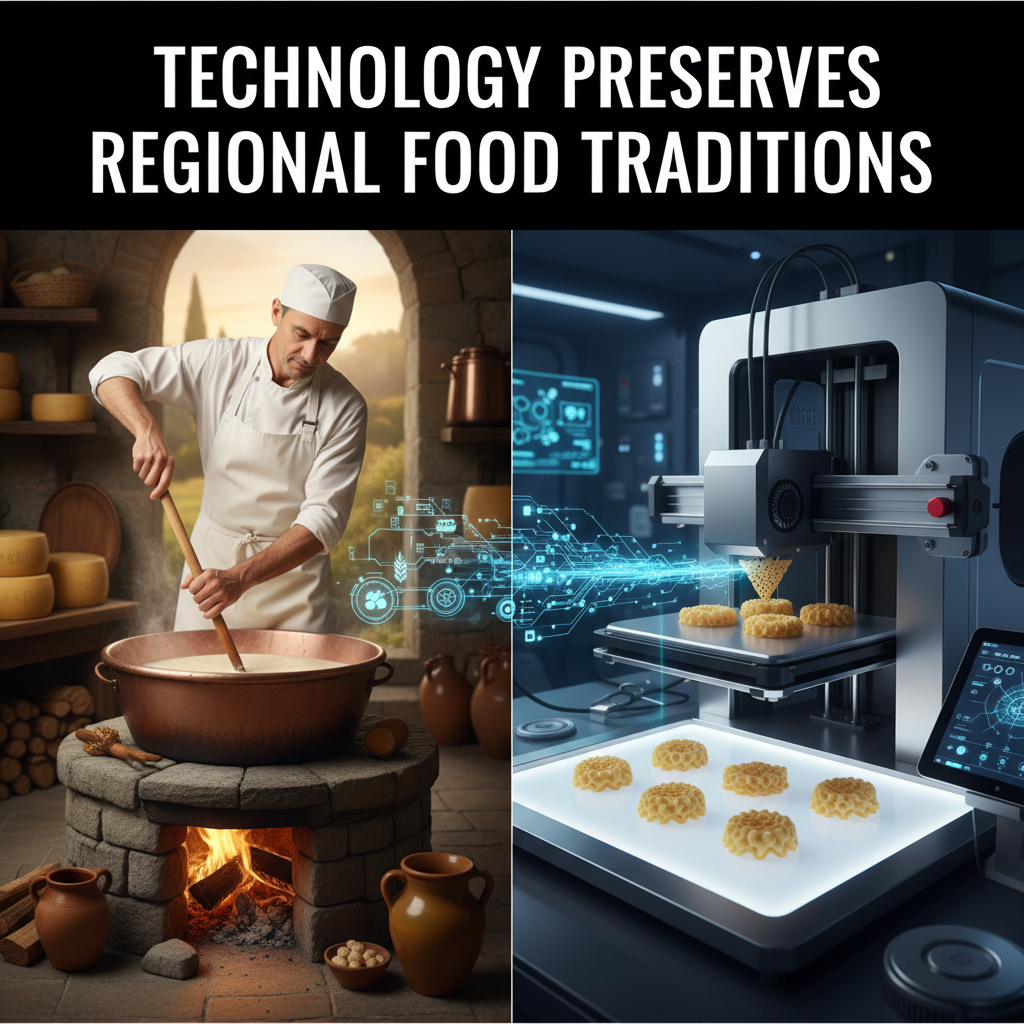
There’s an unexpected preservation angle to this work. As AI systems catalog authentic preparations, they’re creating records of culinary traditions that might otherwise fade. Immigration patterns shift. Grandmothers pass away. Recipes disappear.
One platform has partnered with cultural preservation organizations to document endangered food traditions. The AI tools used to help diners find authentic restaurants are also capturing knowledge for future generations.
This isn’t without controversy. Some argue that quantifying cuisine strips it of meaning. Food traditions are living things, meant to evolve. Freezing them in algorithmic amber might be its own form of loss.
Finding Hidden Gems
The practical benefit for eaters is discovering restaurants that would otherwise stay invisible. Authentic spots often cluster in immigrant neighborhoods, serving community members who know quality through shared cultural context. These places don’t need Yelp reviews because word of mouth does the work.
AI bridges that information gap. It can identify patterns that suggest a restaurant serves its own community first: limited English on menus, hours that match cultural dining traditions, ingredients that wouldn’t make sense to outsiders.
Following these signals has led me to some of my best meals. A Korean stew restaurant in a strip mall that closes by 3pm because it’s a breakfast spot by Korean standards. A Guatemalan bakery selling tamales from the counter because that’s where the community gathers. Neither would rank highly on mainstream platforms, but both offer experiences impossible to replicate elsewhere.
The Risk of Algorithmic Homogenization
Success creates problems. When AI correctly identifies an authentic spot, it often drives traffic that changes the restaurant. English menus appear. Hours extend to accommodate American dinner schedules. The most approachable dishes get highlighted while challenging options fade.
Some restaurants explicitly resist this pressure, limiting reservations to maintain their character. Others embrace it, happy for the business. Both responses are valid, but they represent a choice that wouldn’t exist without algorithmic discovery.
The technology that finds hidden gems can also destroy what made them gems in the first place. That’s a tension without easy resolution.

Leave a Reply