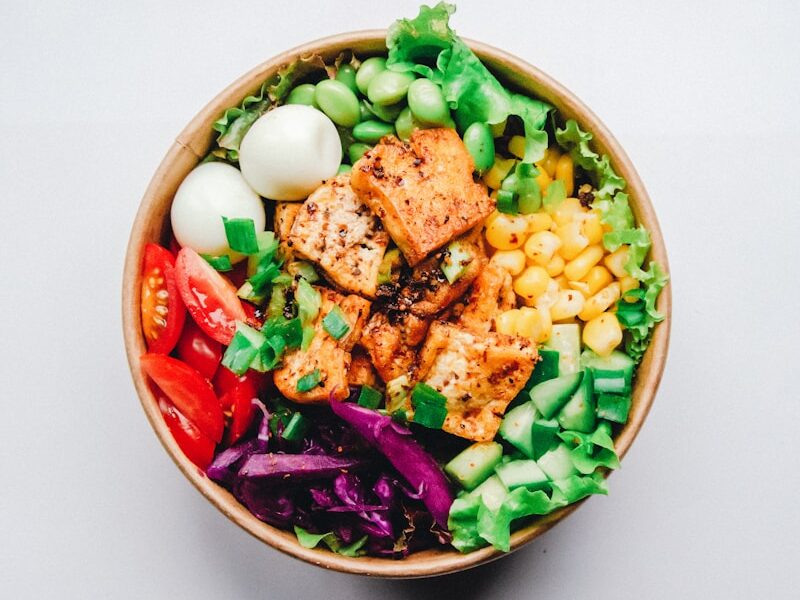
Nobody actually knows what they want to eat most of the time. We open the refrigerator, stare for a minute, close it, and repeat. AI meal planning aims to solve this universal human struggle, and it’s getting surprisingly good at it.
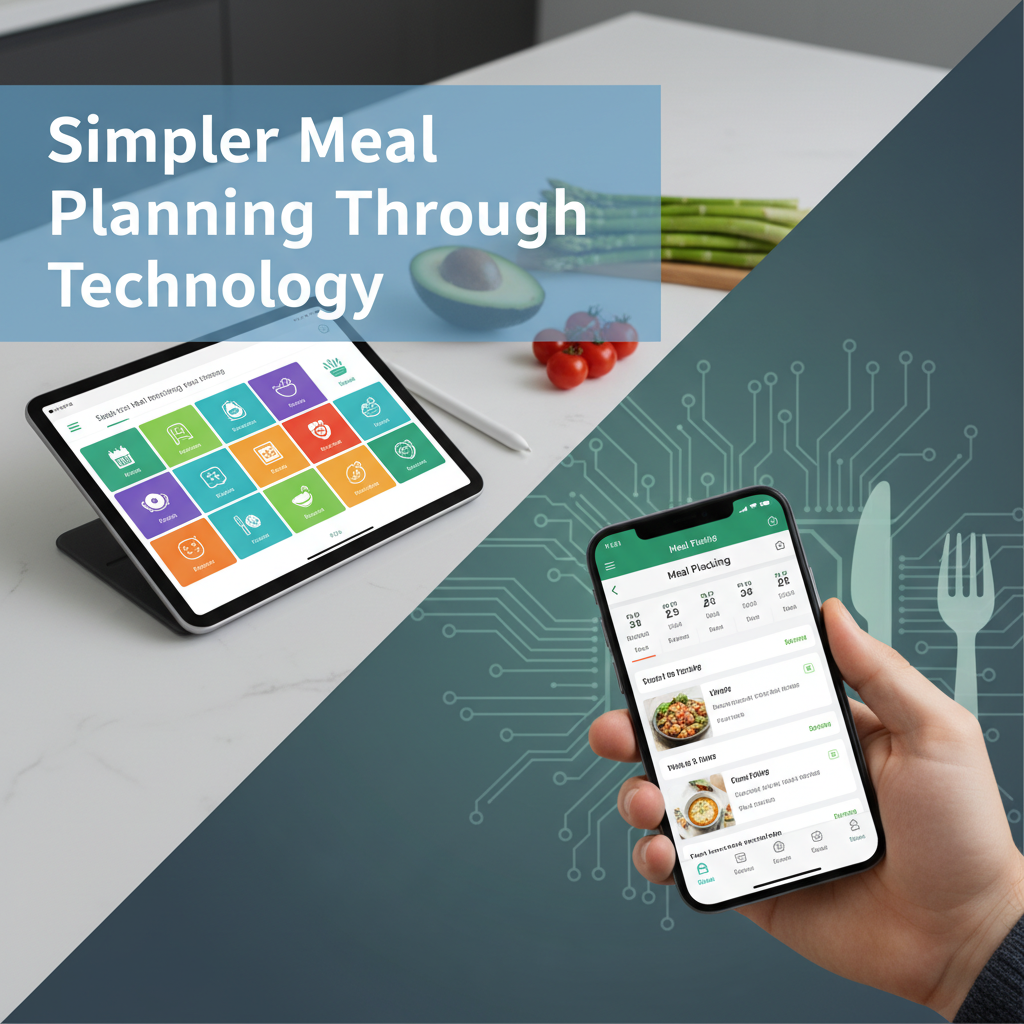
Learning Your Real Preferences
The early meal planning apps asked you to input preferences directly. Vegetarian? Pescatarian? Allergic to nuts? Check the boxes and receive suggestions. Simple, but limited.
Modern systems learn from behavior instead. They track what you actually cook versus what you bookmark. They notice you ignore recipes with more than 20 minutes of prep time on weeknights. They learn that your definition of “spicy” differs from the algorithm’s default.
After a few weeks of use, these systems know your cooking personality better than you might articulate it yourself. That’s powerful but also a bit unsettling.
The Grocery Connection
Meal planning works best when connected to shopping. Several apps now integrate with grocery delivery services, checking real-time inventory and adjusting recipe suggestions based on what’s actually available.
This solves the “substitution problem” that plagued earlier systems. No point planning a recipe around fresh tarragon if your grocery store hasn’t stocked it in months. The AI learns your store’s patterns and suggests recipes accordingly.
Price sensitivity factors in too. Some weeks you’re meal prepping on a budget. Other weeks you want to splurge. The system adapts, suggesting cheaper protein alternatives when your purchase history suggests belt-tightening.
Reducing the Mental Load
For anyone who manages household meals, the daily question “what’s for dinner?” carries real cognitive weight. Deciding what to cook, checking ingredients, mentally organizing the shopping list – this labor often falls invisibly on one person in a household.
AI meal planning redistributes some of that burden. A weekly plan generated in seconds, a shopping list organized by store section, reminders about expiring ingredients that should be used first. None of this is revolutionary individually, but the cumulative effect is significant.
I’ve spoken with parents who describe these tools as life-changing. Not because the technology is magical, but because it handles the administrative overhead that made meal planning exhausting.
Nutritional Optimization
Beyond convenience, AI enables nutritional planning that would be impossibly tedious to do manually. Want to hit specific protein targets while staying under a sodium limit? The system solves that equation across a week’s worth of meals.
Some apps integrate with fitness trackers, adjusting caloric recommendations based on activity levels. Ran a half marathon on Saturday? Your meal plan for Sunday might include more recovery-focused carbohydrates.
Medical conditions add complexity that AI handles well. Managing diabetes means considering glycemic index alongside every other variable. Kidney disease requires watching potassium and phosphorus. AI can juggle these constraints simultaneously while still producing meals people actually want to eat.
Where The Technology Falls Short
Meal planning assumes a certain lifestyle – regular schedules, predictable family size, reliable access to ingredients. Life is messier than that.
The systems struggle with the unplanned. Your kid’s friend stays for dinner. You work late and need something faster than planned. The ingredient you needed was moldy when you opened the package. Human adaptability still outperforms algorithmic rigidity in these moments.
Cooking skills also vary widely. A system might suggest a technique that’s simple for an experienced cook but intimidating for a beginner. Calibrating difficulty remains challenging.
The Future of Automated Eating
Where does this lead? Fully automated meal planning connected to automated grocery delivery connected to smart appliances that start cooking before you arrive home? Technically possible, but it raises questions about what we want food to mean in our lives.
For some, maximum efficiency is the goal. They want nutrition and taste with minimum time investment. AI serves them well.
For others, cooking is creative expression, family bonding, cultural connection. These values resist optimization. The joy is in the process, not just the output.
Most of us exist somewhere between these poles, and the best AI tools meet us there – helpful when we need efficiency, quiet when we don’t.

Leave a Reply