We’re eating differently in 2026. Not because of any single trend, but because dozens of smaller shifts have accumulated into something new. Here’s what the data actually shows.
Plant-Based Reality Check and Fermented Foods
Plant-based meat sales have plateaued after years of growth. The initial curiosity converted some people, but the conversion rate to permanent behavior change was lower than projections suggested.
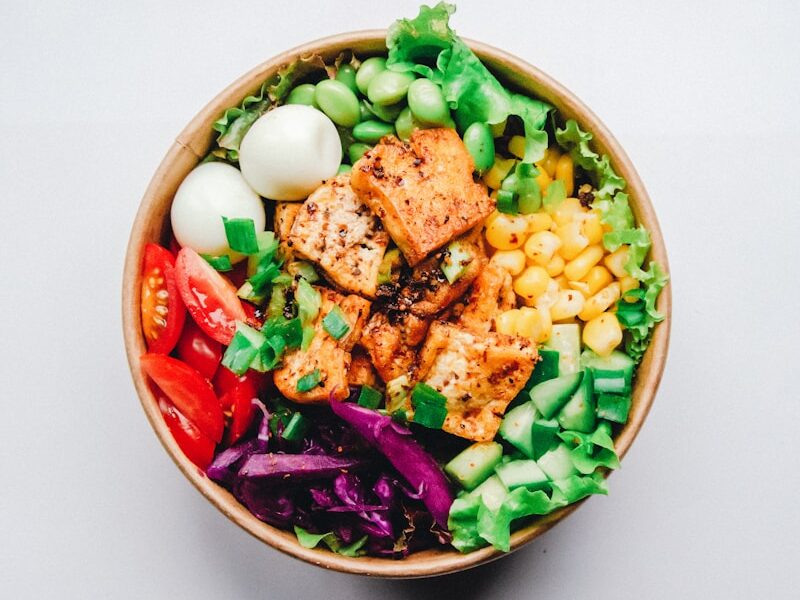
What’s growing instead is “flexitarian” behavior – reducing meat consumption without elimination. This shows up in smaller portion sizes, more vegetable-forward dishes, and meat as an accent rather than centerpiece.
Fermented foods are having a moment that feels more durable than past fads. Kimchi, kombucha, kefir – gut health claims drive interest, but flavor keeps people coming back. Home fermentation is growing too. Starter kits sell out regularly. Fermentation corners in grocery stores expand. The science around the microbiome, while still developing, provides a framework people find compelling.
Spice Tolerance and Heat Preferences
Spicy food tolerance keeps increasing. What counted as “extra hot” ten years ago is now medium. New varieties of super-hot peppers enter the market annually, each claiming to top the last.
This isn’t universal – plenty of people still order mild. But the spicy-seeking minority is loud and drives menu innovation.
Environmental impact labeling is spreading too. Carbon footprint scores on menus, water usage metrics on packaging, farm-to-table distance disclosed. Whether consumers actually choose based on these labels remains unclear, but the information availability is new.
Global Fusion Accelerates
The blending of cuisines that started decades ago keeps accelerating. Korean-Mexican, Indian-Italian, Ethiopian-Japanese – combinations that would have seemed strange now seem obvious.
Younger diners expect this fusion. They’ve grown up with cultural mixing and see it as normal rather than experimental. The “authentic vs. fusion” debate fades as fusion becomes its own authentic expression.


Leave a Reply