Ghost Kitchens and the Algorithm-Driven Restaurant Revolution
By David Kim | 7 min read
As someone who ordered from what I thought were three different restaurants last month – turns out they all cooked in the same industrial kitchen – I learned everything I needed to know about ghost kitchens the weird way. Probably should have led with this, but the taco place, the wing joint, and the “authentic Thai” spot sharing an address wasn’t a coincidence. Welcome to the algorithm-driven future of food.
Understanding the Ghost Kitchen Model
Regular restaurants use maybe 30% of their space for the actual kitchen. The rest? Tables, hostess stands, bar areas, waiting areas – all stuff you need for people who show up in person. Ghost kitchens said “what if we just… didn’t do any of that?”
So now you’ve got these industrial spaces cranking out food for delivery only. A single facility might run a dozen different “restaurant” brands, all coming from the same kitchen, sharing the same fryers and fridges. To customers browsing the app, they look like totally separate places.
How Algorithms Shape the Menu
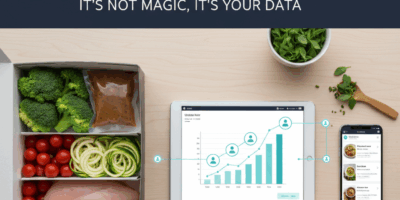
This is where it gets interesting. Traditional restaurants start with a chef who has a vision. Ghost kitchens start with data showing what people are searching for and ordering. The menu comes second.
The typical process goes something like this:
- Dig through delivery app data to see what’s trending and what’s getting ordered
- Find gaps – neighborhoods where certain cuisines are under-served
- Launch multiple brand concepts at once with minimal investment
- Scale what works, kill what doesn’t
- Keep tweaking menus based on what’s actually selling
It’s basically A/B testing but for restaurants. Items get designed for how well they photograph, how they hold up during delivery, and whether they’ll show up in search results. Has gotten complicated with all the optimization, but that’s the game now.
The Customer Experience Trade-Off
Critics have a point – without the ambiance and the service and the social experience, food becomes pretty transactional. All that algorithmic menu-building can produce some pretty generic stuff that chases trends rather than creating anything memorable.
But here’s the flip side. Want to start a restaurant? That used to mean huge loans and terrifying lease commitments. Now someone can test a concept from a shared kitchen for a fraction of the risk. Immigrant chefs can share authentic cuisines without navigating impossible real estate deals. The lower bar means more people get to try.
AI-Powered Operations
The data stuff goes way beyond menus:
- Demand forecasting predicts how many orders to expect each hour, cutting food waste and making sure there’s enough staff
- Dynamic pricing adjusts what things cost based on how busy it is, ingredient costs, what competitors are charging
- Kitchen screens optimize the cooking sequence when multiple brands share equipment
- Quality cameras check portions and presentation before anything gets packaged
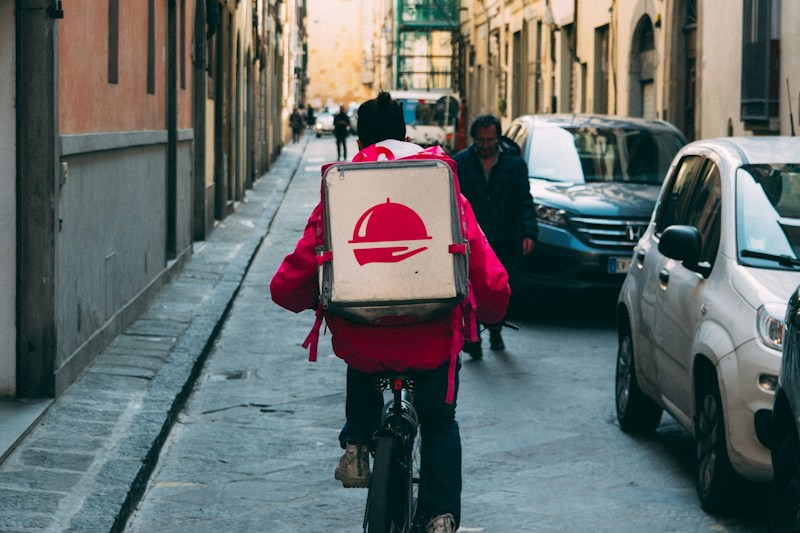
- Delivery timing coordinates when things get picked up so food isn’t sitting
The Future Landscape
Ghost kitchens aren’t replacing your favorite neighborhood spot. But they’re definitely changing the landscape permanently. Delivery-optimized concepts will keep growing while dine-in places double down on experiences you can’t replicate at home.
The operators who are really ahead are already moving beyond basic delivery – subscription meals, corporate catering, even trying to replace grocery runs. Each new direction leans harder on algorithms to match supply with demand.
For us customers? More convenience, more variety. For the industry? Both existential threat and massive opportunity, depending on where you sit. The ones who figure out the algorithmic game will build food businesses that scale in ways that just weren’t possible before. The ones who resist might find their traditional advantages don’t mean what they used to against competitors with a fraction of their overhead.

Leave a Reply