Restaurant Robots Are Here and They Are Surprisingly Helpful
By Lisa Chen | 6 min read
As someone who grew up on sci-fi movies where robots always turned evil, I learned everything I needed to know about restaurant automation by actually being served by one. Probably should have led with this – the little wheeled bot that brought my pad thai last month was weirdly charming. Not threatening at all. Just vibing.
What Robots Actually Do
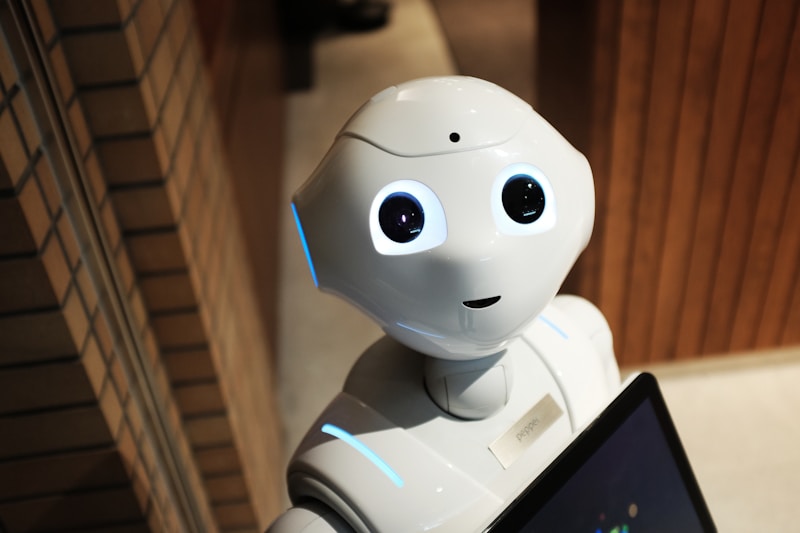
Forget those sci-fi images of humanoid servers making awkward small talk. The robots that actually work in restaurants are way more practical – basically smart carts that handle the boring stuff:
Food running is the big one. These robotic carts zip food from kitchen to table by themselves. Your human server still does the actual handoff and interaction – the robot just saved them from their fifteenth trip across the dining room.
Bussing duty keeps tables cleared without pulling servers away from guests. The robot collects dishes and hauls them to the back, handling the heavy lifting that honestly injures a lot of restaurant workers over time.
Drink delivery is especially helpful in big venues where the bar might be way across the floor. Robot doesn’t care how crowded it gets – same delivery time regardless.
The Human-Robot Partnership
Everyone assumed robots would steal restaurant jobs. Turns out the opposite is happening a lot of the time. When robots handle the grunt work, human servers can actually… serve. Talk to customers about the menu. Check if the meal is good. Build relationships with regulars.
Those interactions are what drive tips and job satisfaction. They’re also stuff robots are terrible at. Has gotten complicated with all the automation anxiety, but the restaurants that are doing it right are splitting tasks so everyone does what they’re best at.
Guest Reception Varies
Reactions split pretty predictably along age lines. Younger folks think robots are fun – Instagram-worthy, even requesting robot delivery for the novelty. Older customers sometimes aren’t fans, preferring human service the whole meal.
Smart restaurants give people options. Some have robot-free sections. Others keep robots strictly in the back where diners never see them. Hospitality means accommodating different preferences, after all.
Operational Realities
Real talk: these systems need serious investment. Navigation has to be calibrated to specific floor plans. Charging stations take up space. When a robot breaks mid-service, that’s a whole new type of operational headache your grandma’s diner never dealt with.
The math works best for high-volume places with predictable layouts. Fast-casual spots with standardized seating are ideal. That fancy fine dining place with tight tables and elaborate arrangements? Robots navigate that about as well as a drunk roomba.
Looking Forward
Robot capabilities are expanding fast. Current gen handles transport pretty well. Newer systems can take voice orders, make basic drinks, even flip burgers with weirdly consistent timing.
We’re heading toward more sophisticated human-robot teamwork, not full automation. That’s what makes these developments less scary than they sound. Restaurants that figure out this partnership – letting robots handle efficiency while humans handle hospitality – are probably going to define what dining out looks like going forward.


Leave a Reply