The Complete Guide to AI-Powered Grocery Shopping
By Robert Martinez | 7 min read
As someone who used to forget milk at least twice a week, I learned everything I needed to know about smart grocery apps out of pure desperation. Probably should have led with this, but my fridge was basically a graveyard of expired condiments and broken promises before AI stepped in to save me from myself.
Smart Shopping Lists That Actually Work
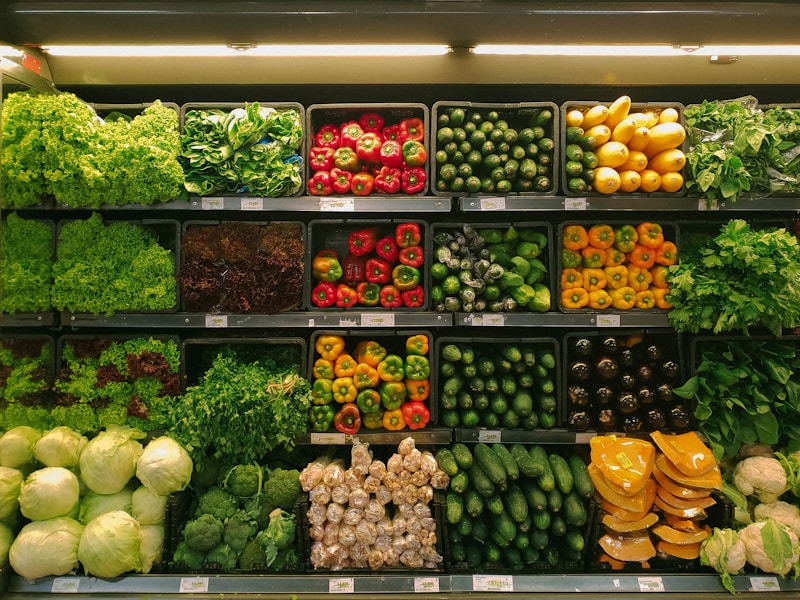
Here’s what blew my mind about these apps – they figure out what you need before you do. The smart ones track how fast you go through stuff. Running low on eggs based on your usual pace? It’s already on your list. No more standing in front of the fridge wondering if you have butter.
The really fancy systems connect with recipe planners. Pick what you want to cook for the week, and boom – exact ingredients, adjusted for how many people you’re feeding, minus what you already have. Some even connect with those smart fridge cameras that literally watch your food supply and ping you when things get low. Bit Big Brother-ish, but honestly? Kind of amazing.
Price Tracking and Finding Deals
No human can realistically check prices across five different stores every week. That’s what makes this AI stuff genuinely useful – it’s doing the boring work for you. Get alerts when your usual items drop below what you normally pay, or when another store has them cheaper.
The smarter apps actually calculate whether it’s worth driving to a second store. Like, yeah you could save $3 on chicken at the other grocery, but is it worth the gas and twenty extra minutes? The app does that math for you. Some even factor in how long checkout lines typically are at different times. Has gotten complicated with all the options, but the tech actually helps cut through it.
And coupon stacking? Used to be a full-time hobby for some people. Now the app just… does it. Matches what’s available to what you’re buying, combines manufacturer coupons with store deals. I saved $47 last month without clipping a single thing.
Those Personalized Recommendations
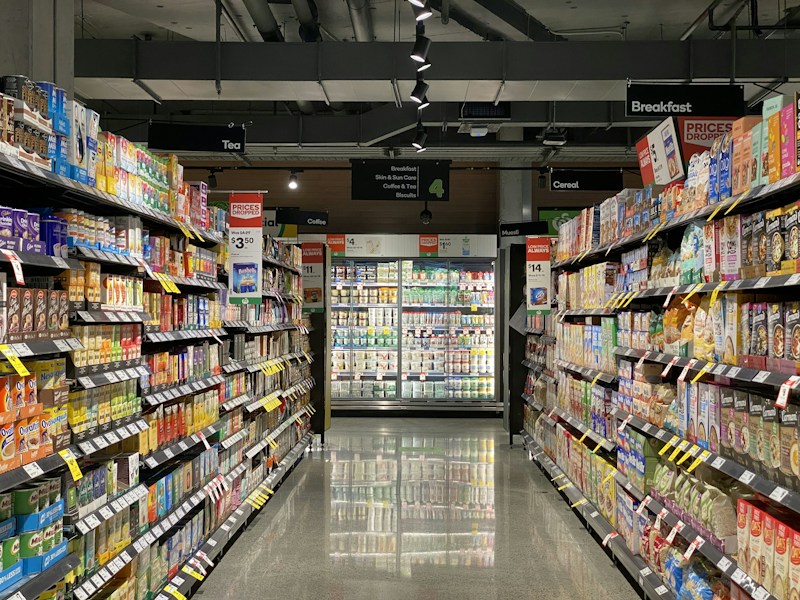
Okay, so the stores are definitely using AI to suggest stuff to you. They notice patterns – people who buy organic produce tend to go for natural cleaning products, that kind of thing. Sometimes it’s helpful. Sometimes it’s clearly just trying to get you to spend more.
The health-focused apps are actually pretty cool though. They’ll quietly suggest lower-sodium versions of stuff you already buy, or point out whole grain alternatives. Not pushy about it, just “hey, here’s an option.” Gradual nudges that can actually make a difference over time without feeling like a lecture.
What the Stores Are Really Doing
Worth knowing what’s happening behind the curtain:
- Margin optimization – they push items that make them more money, not necessarily what’s best for you
- Inventory clearing – stuff about to expire gets promoted hard
- Basket building – suggestions designed to make you buy more than you planned
- Sponsored placements – brands pay to show up in your recommendations
None of this is evil exactly, but good to know what you’re dealing with.
The Privacy Thing
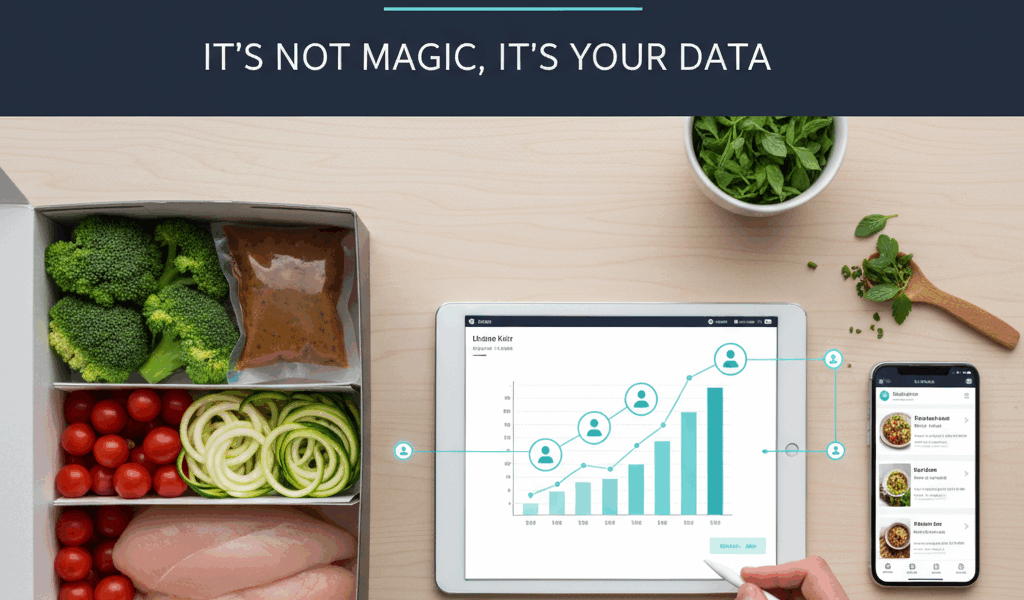
All this convenience comes from data. Lots of data. What you buy, where you shop, what your household looks like, what you eat. It piles up in databases somewhere. Loyalty programs are basically trading your information for discounts – up to you whether that trade makes sense.
If privacy matters more, there are standalone apps that keep your data on your phone instead of sending it to retailers. You get the smart list features without feeding the surveillance machine. Fewer bells and whistles, but some people sleep better that way.
Making It Work for You
My advice? Let the AI handle the tedious stuff – tracking inventory, watching prices, organizing lists. But stay in charge of the actual decisions. Notice when a “suggestion” is clearly just trying to upsell you versus when it’s actually helpful.
Start with one app and really learn it before adding more. A simple shopping list you actually use beats a complicated system you abandon after a week. Add tools as you hit real problems in your routine.
This stuff is only going to get more sophisticated. Probably heading toward AR navigation through stores, real-time nutrition tracking in your cart, that kind of thing. Getting comfortable with the current tools now means you’ll be ready for whatever comes next.


Leave a Reply