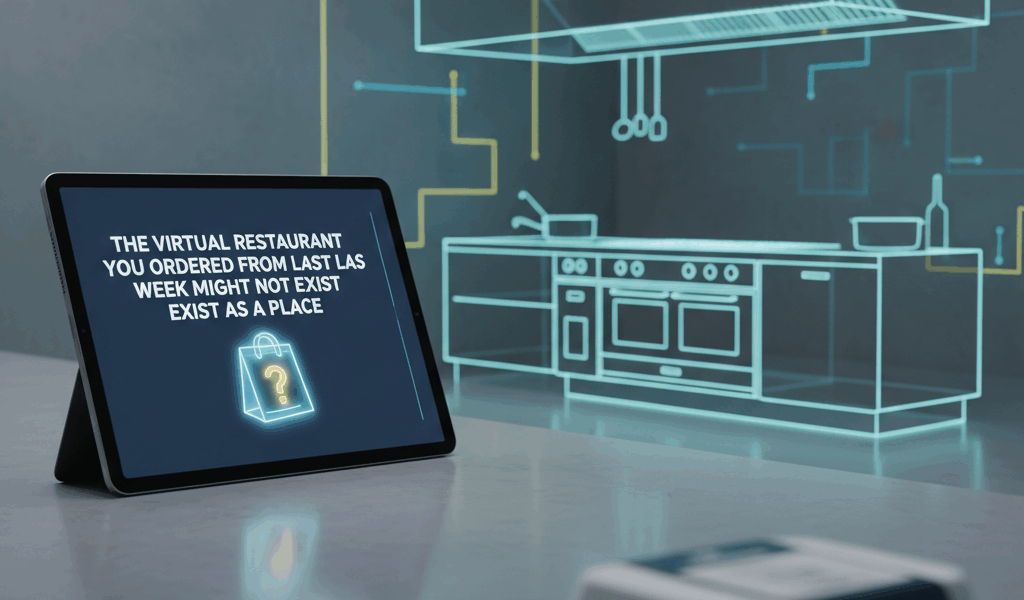
Virtual restaurants and ghost kitchens have been talked about a lot, but the reality of what you’re actually ordering from is weirder than most coverage suggests. As someone who figured out I’d ordered from the same kitchen three times under three different brand names before realizing the connection, I learned how this whole system actually works and why it explains so much about delivery experiences. Today I’ll share what I found out.
What a Virtual Restaurant Actually Is
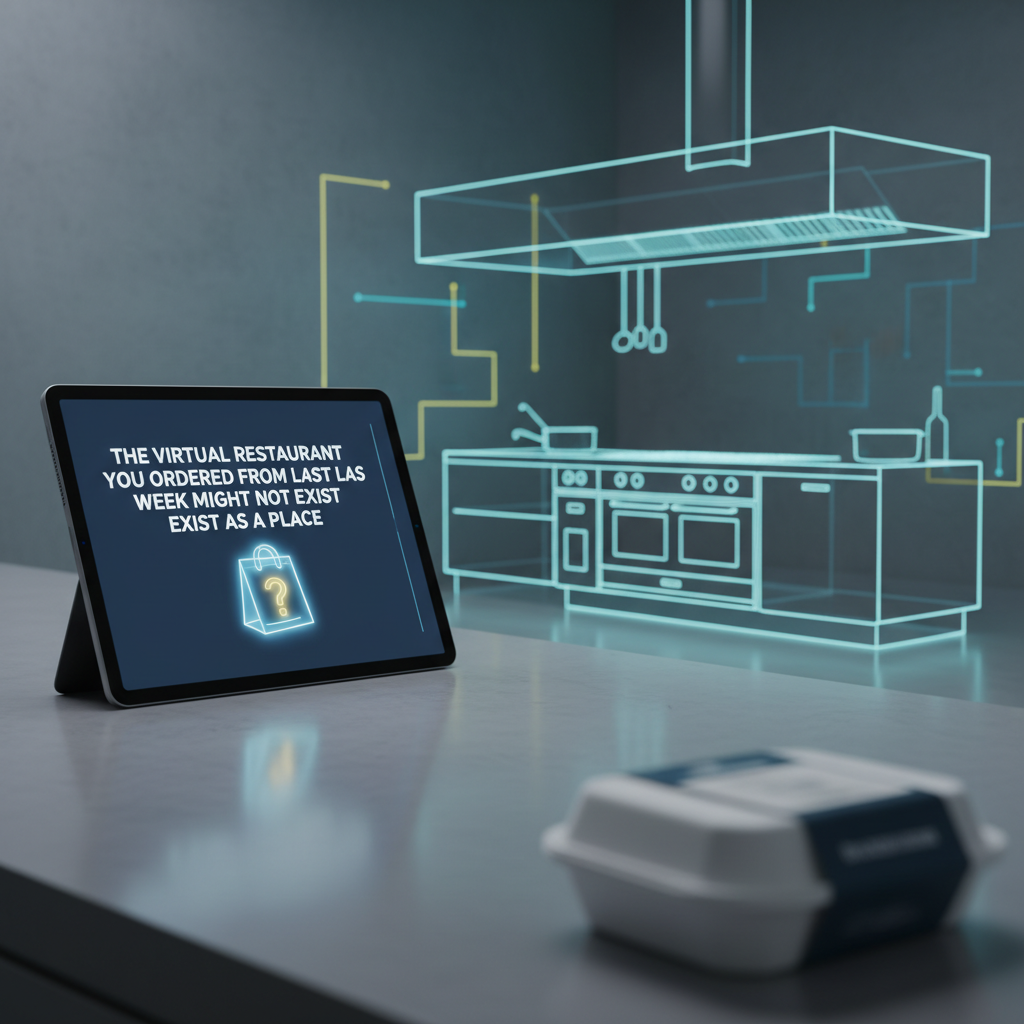
A virtual restaurant (also called a ghost brand, digital-only concept, or delivery brand) is a food business that operates without a physical dining room and exists only as a listing on delivery apps. It’s not necessarily operating from a ghost kitchen — it might be running out of the kitchen of an existing restaurant that’s using its idle capacity to run multiple brands simultaneously.
The pizza restaurant that closes at 10 PM might run a late-night wings brand from 10 PM to 2 AM using the same kitchen, same staff, different menu, different brand name on DoorDash. The Thai restaurant might also list a “Thai Street Noodles” profile and a “Bangkok Bowls” profile targeting different search terms and customer segments, all coming out of the same kitchen.
Why Restaurants Do This
Restaurant economics depend heavily on maximizing throughput. A kitchen that’s idle between the lunch rush and dinner service is expensive. Running a virtual brand during that window turns fixed costs into additional revenue without the overhead of a separate location. That’s what makes the virtual restaurant model endearing to restaurant operators — the marginal cost of an additional brand is close to zero once the kitchen infrastructure exists.
There’s also a discoverability reason. Delivery apps are search engines for food, and a restaurant that appears under multiple brand names for multiple cuisine types gets more exposure than one that appears under a single name.
The Quality Inconsistency Problem
The problem with multi-brand kitchen operations isn’t that the food is bad — it’s that quality control becomes genuinely harder when one kitchen is managing six different menus. The reviews for virtual brands tend to have higher variance than reviews for single-concept restaurants. Great reviews and terrible reviews coexisting on the same listing often indicate a kitchen that does some things well and packages others poorly, or that prioritizes its core brand during busy periods. I’m apparently someone who learned this by leaving two very different reviews for what turned out to be the same kitchen on two different nights.
How to Spot One Before You Order
Check the address. If two restaurants with completely different cuisine types share an exact address, one or both are virtual brands. You can cross-reference addresses on Google Maps — a “restaurant” that resolves to a commercial kitchen complex is a ghost kitchen tenant. Look at review photos too: if the packaging looks identical across two different listings, they’re coming from the same kitchen.
Probably should have led with this, honestly — none of this means you shouldn’t order. Some virtual brands produce excellent food. But knowing the structure means you can set appropriate expectations, and you’ll understand why delivery from one brand takes the same time and comes in the same bag as your friend’s order from a seemingly unrelated restaurant down the street.


Leave a Reply