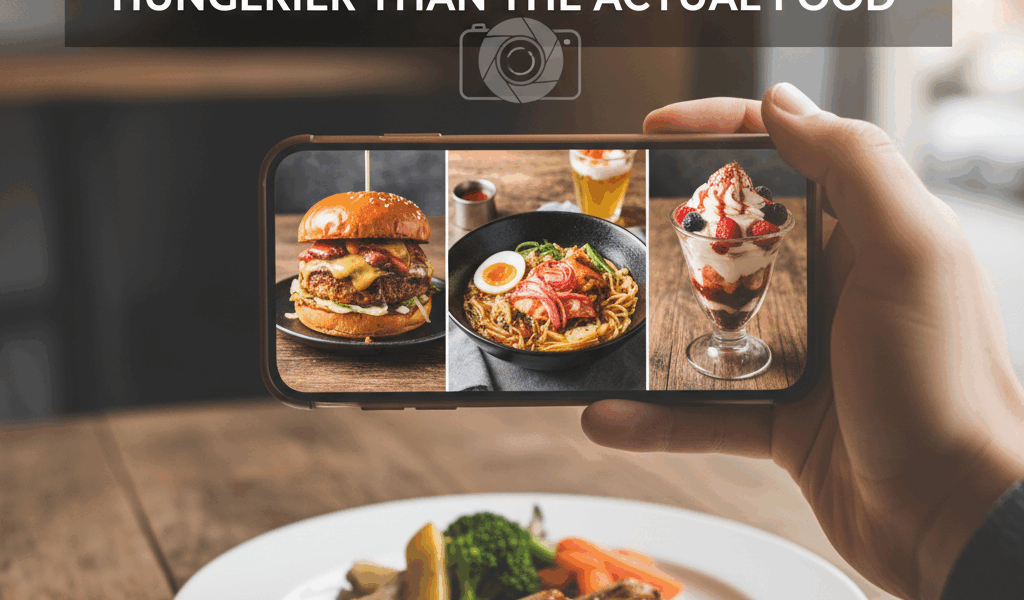
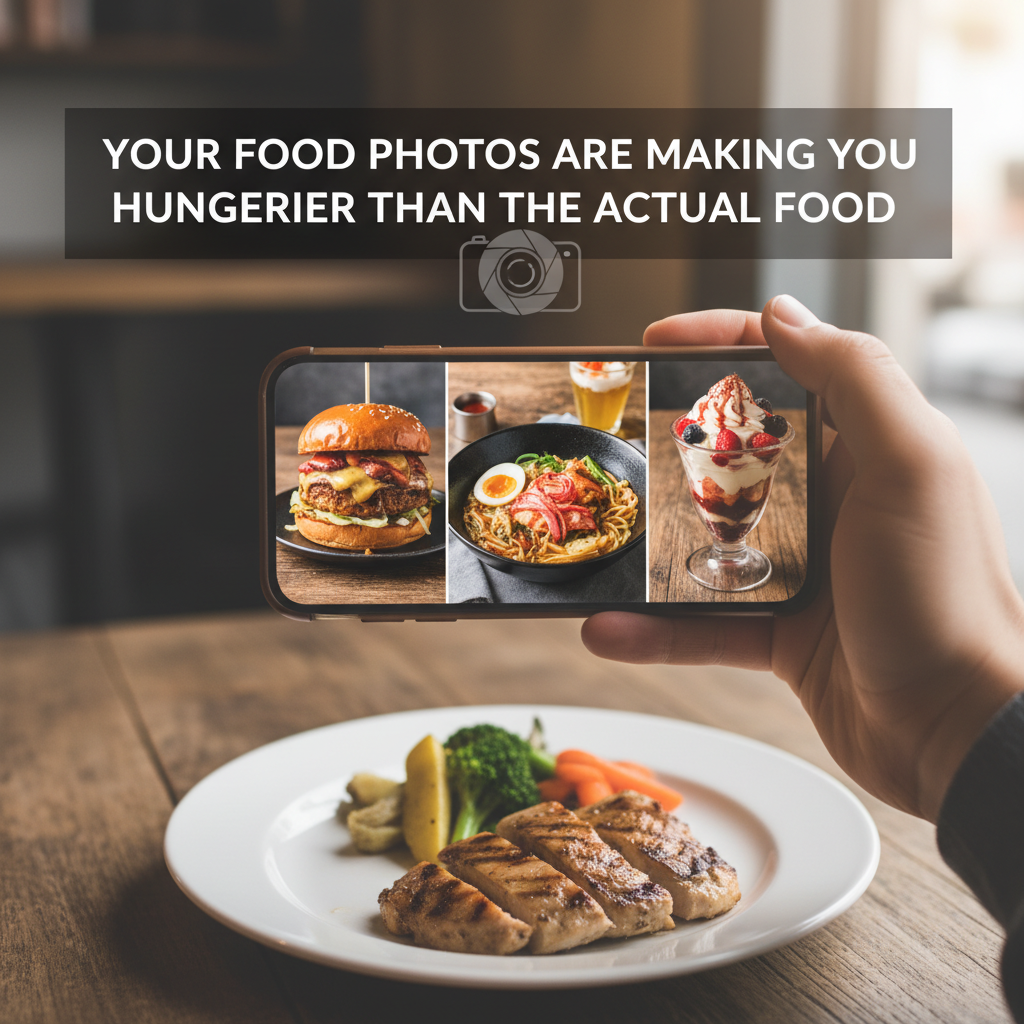
Restaurant Instagram accounts are very good at making food look extraordinary. As someone who has ordered the “beautiful” dish from a photo and received something that looked nothing like it in a takeout container, I learned the actual science of what food photography does to your brain and why the gap between the photo and the meal is structural, not accidental. Today I’ll share what’s actually going on.
What Your Brain Does With a Food Photo
Looking at appealing food photographs activates the same reward circuitry that activates when you’re actually hungry — the hypothalamus responds to visual food cues even in the absence of physical hunger. Studies using neuroimaging have shown that high-quality food photography specifically activates regions associated with taste processing, meaning your brain is essentially simulating the taste experience from the image alone.
The implication is that you’re making ordering decisions partially based on a simulated eating experience generated by a photograph, not just an information evaluation of what the dish contains. When the actual dish arrives and doesn’t match the simulated experience, the disappointment is physiological, not just aesthetic. That’s what makes food photography so commercially effective and so reliably frustrating as a consumer.
What Professional Food Styling Does
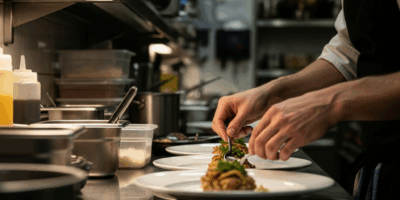
Professional food photography involves techniques specifically designed to enhance visual appeal in ways that don’t translate to the actual eating experience. Portions are artificially arranged to maximize height and visual impact rather than represent how the dish would actually be served. Colors are often enhanced through lighting, props, or selective color editing. Sauces are strategically drizzled at angles that only look good from the camera position.
Restaurant app photos often use professional styling. The burger on the listing photo was assembled by a food stylist with tweezers over 45 minutes. The one you receive was assembled in a kitchen handling 30 simultaneous orders. The gap between them is not a quality failure — it’s a photography production difference that exists by design.
Filters and the Over-Saturation Trap
Social media food photography trends have moved toward high saturation, crushed shadows, and warm color grading. These edits make food visually striking on small screens but they’re not calibrated to represent what the food will taste like. I’m apparently someone who gets viscerally annoyed by this now that I understand what’s happening — every highly-saturated, dramatically lit burrito photo is optimized for triggering a specific appetite response, not for giving me accurate information about what I’m about to eat.
User Photos Are Often More Useful
For ordering decisions specifically, user-submitted photos on delivery apps tend to be more reliable than professional photos because they represent what the food actually looks like when it arrives. Yelp and Google reviews with photo attachments are particularly useful. A professional photo of a salad at a restaurant and a user photo of the salad delivered in a takeout container are showing you two genuinely different things, and the second one is what you’re actually getting. Probably should have led with this, honestly — using professional photography to decide if the concept sounds appealing, then user photos to calibrate expectations, is the most reliable way to close the gap between the photo and the meal.

Leave a Reply