
Your phone knows what you ate yesterday. If you use food tracking apps, restaurant apps, grocery delivery, or even just search for recipes, you’re generating detailed eating data. Here’s what happens to it.
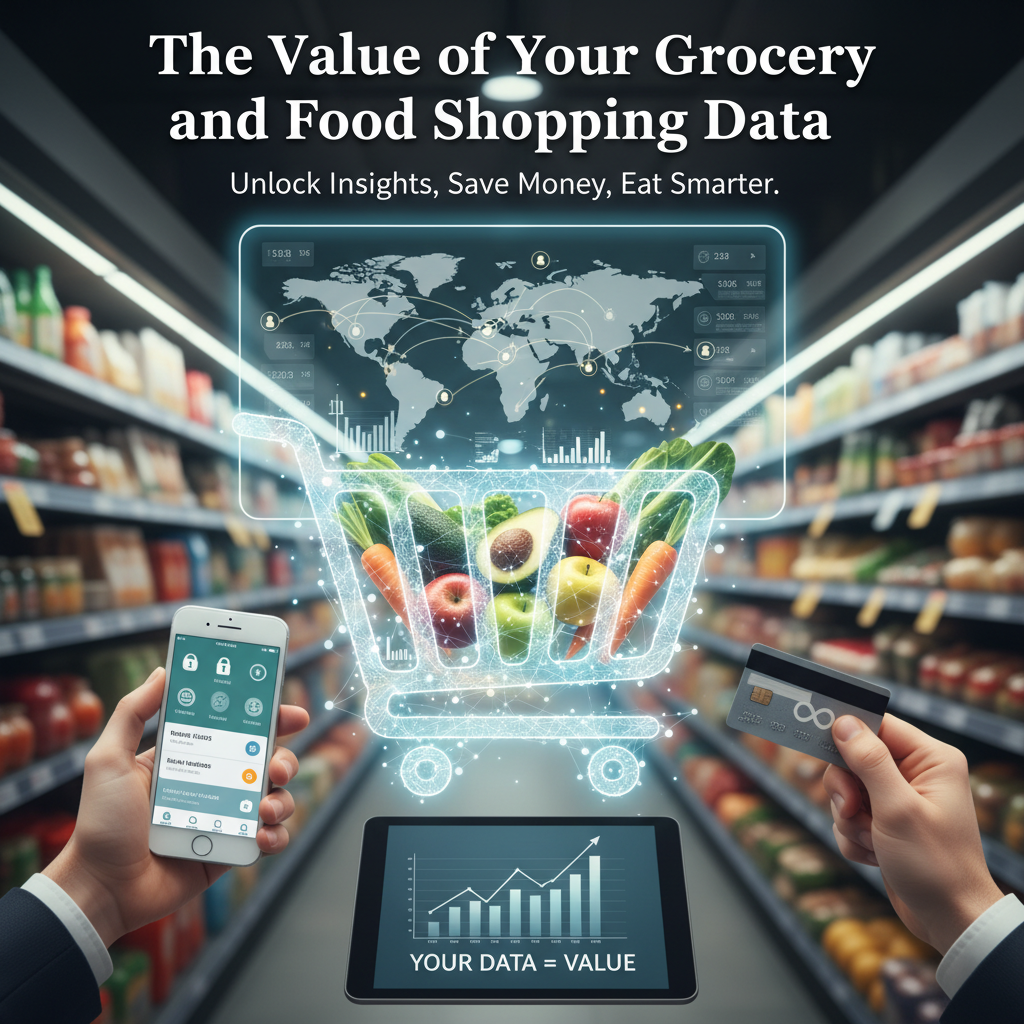
The Obvious Uses
Personalized recommendations are the visible result. Order Thai food twice and your home screen shows Thai promotions. Search for keto recipes and ads for low-carb products follow. This feels expected now, even if it was creepy ten years ago.
Less visible is the health data aggregation. Insurance companies can’t legally access individual food logs, but they can buy aggregated data about neighborhoods, demographics, and consumption patterns. Your specific record might be anonymized, but patterns at your zip code level aren’t.
Marketing Gets Granular
Food companies pay premium prices for behavioral data. They want to know not just what you buy, but when you browse, what you almost bought, and what finally convinced you. Every abandoned cart teaches them something.
The targeting gets specific. New parents searching for baby food might see formula ads. Someone tracking calories might see “healthy” snack promotions at 3pm when willpower typically dips. The timing is calculated.
Restaurant Intelligence
Restaurants are major data customers. They want to know which menu items attract which demographics, how weather affects ordering patterns, which promotional offers actually drive traffic versus just discounting existing demand.
This intelligence loop means your choices influence future menus. If data shows declining interest in a category, restaurants drop those options. Your collective behavior shapes what’s available.
Protecting Yourself
Complete avoidance is impractical unless you pay cash everywhere and never use apps. But you can limit exposure.
Turn off location services when not actively using navigation. Use browser privacy modes when searching recipes. Be selective about which loyalty programs you join. Read privacy policies – some apps sell data more aggressively than others.
None of this stops data collection entirely. It just makes your individual profile fuzzier and less valuable.



Leave a Reply