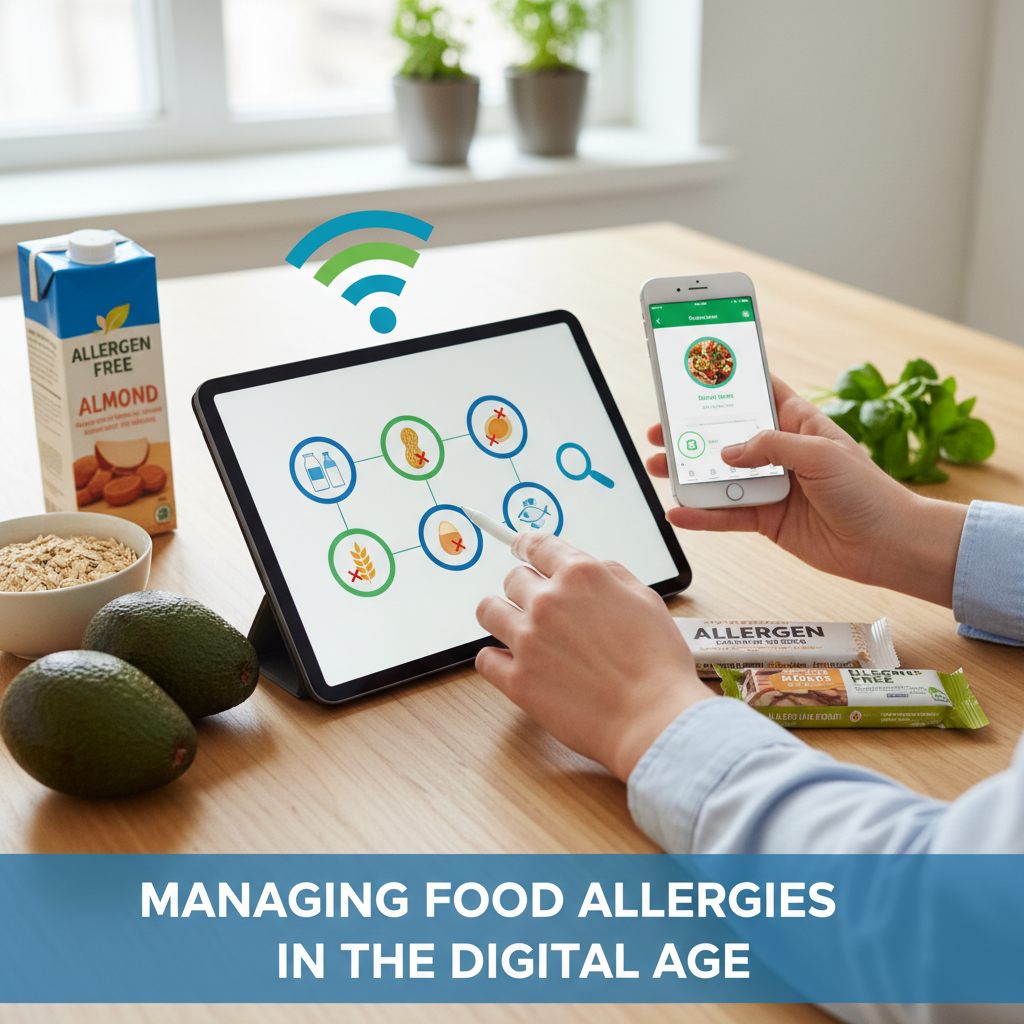
Managing food allergies is terrifying work. One mistake, one misread label, one miscommunication with kitchen staff, and the consequences can be severe. AI tools are making this burden slightly lighter.
Label Scanning Evolution
Early allergen apps just searched ingredient lists for keywords. “Contains peanuts” was easy. But cross-contamination warnings, may-contain statements, and alternate ingredient names required human interpretation.
Current apps use machine learning trained on thousands of product variations. They understand that “hydrolyzed vegetable protein” might indicate soy. They know which facilities share equipment with which allergens. They learn from user reports about reactions.
A parent of a child with severe allergies described it as “having an expert looking over my shoulder at the grocery store.” Not perfect, but less exhausting than reading every label from scratch.
Restaurant Navigation
Dining out with serious allergies means trusting strangers with your health. AI helps by aggregating community experiences – which restaurants handle allergies carefully, which have had incidents, which menus hide allergens in unexpected places.
Some apps now connect directly to restaurant kitchen systems. Your allergy information transmits automatically when you order, creating a digital paper trail that reduces communication errors.
International Travel
Allergy translation cards have existed for decades, but AI enables real-time conversation. Apps can translate specific allergy concerns in context, explain cross-contamination risks, and help navigate unfamiliar cuisines.
This doesn’t replace vigilance. But it reduces the isolation that allergies create, making more of the world accessible to people who need extra caution.

Leave a Reply