Restaurant menus are genuinely confusing these days with all the dietary options and customization flying around. As someone who eats out probably four times a week and has strong opinions about menu design, I learned everything there is to know about how AI is changing the ordering experience. Today, I will share it all with you.
Walking into a restaurant used to mean flipping through a leather-bound menu, asking the server about specials, and hoping your choice would satisfy. That experience is changing fast, and honestly, it’s about time. I’ve wasted too many meals ordering the wrong thing because a menu description sounded better than the dish actually was.
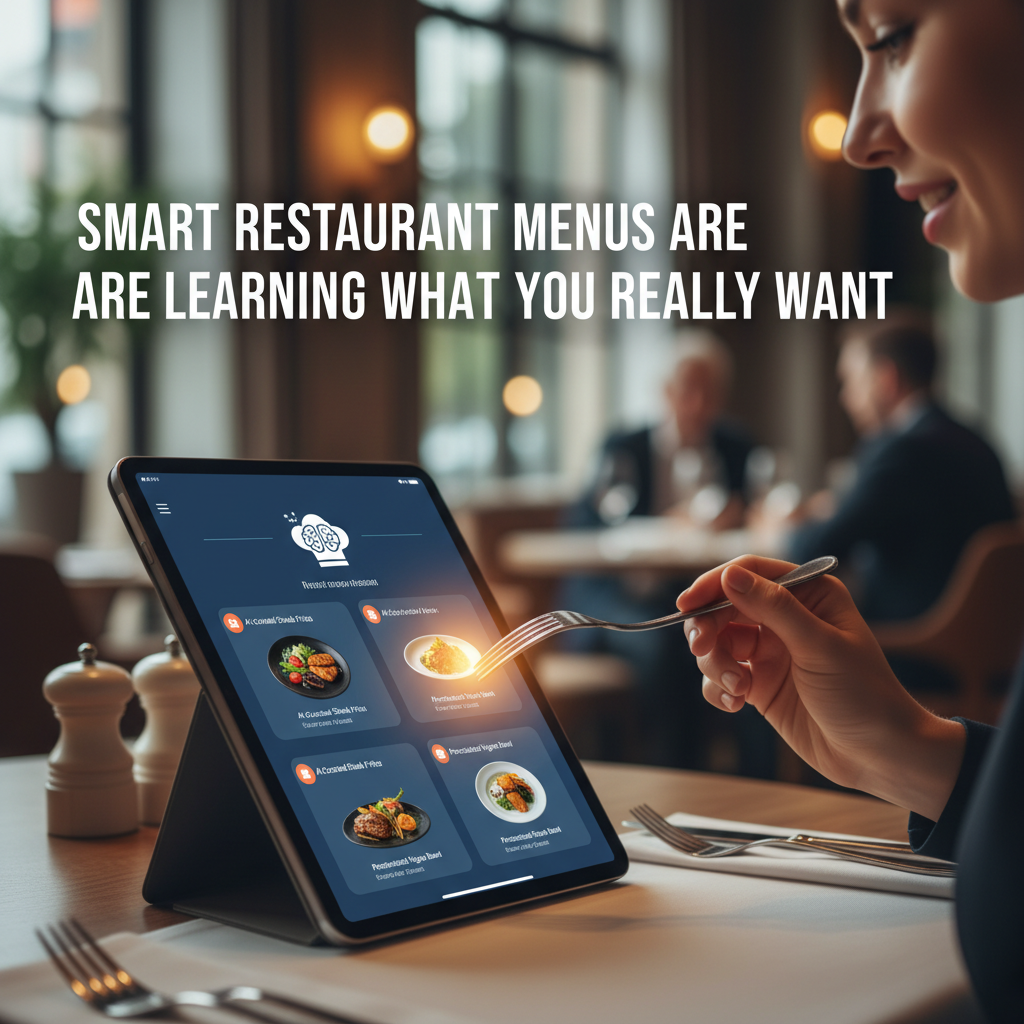
AI-powered menu systems are now helping diners navigate complex menus in ways that feel almost magical. These systems learn your preferences, dietary restrictions, and even your general taste patterns to suggest dishes you’ll actually enjoy.
How Smart Menus Actually Work
I should’ve put this up front, my bad. When you open a restaurant’s app or scan a QR code at the table, the AI starts working immediately. It pulls from your previous orders if you’re a returning customer, cross-references the chef’s recommendations for the day, and factors in what ingredients are freshest.
The technology goes beyond simple keyword matching. These systems understand that someone who ordered a spicy Thai dish last time might enjoy the new Szechuan appetizer. They recognize patterns that human servers — even great ones — would miss across thousands of customers.
Real Results From Real Restaurants
A Chicago steakhouse implemented AI recommendations last year and saw repeat visits jump 34%. Not because the food changed, but because diners stopped ordering dishes they didn’t love. Less buyer’s remorse means happier customers who actually come back.
That’s what makes this technology endearing to us food industry watchers — it’s solving a real problem. Fast-casual chains report similar wins. One burrito concept found that AI-guided customization reduced order times by 45 seconds on average while increasing add-on purchases by 22%. Faster lines, bigger tickets, happier customers. Everybody wins.
The Privacy Question
Yes, these systems collect data. They need to in order to work effectively. But most restaurants are being transparent about it now. You can opt out, though you’ll lose the personalized experience.
The trade-off seems worth it for most people. In surveys, 73% of diners say they prefer personalized recommendations even knowing their order history is stored. I’m in that camp — I’d rather have a system remember that I hate cilantro than have to tell every new server.
What’s Coming Next
The next wave includes real-time ingredient tracking and allergy alerts that work across language barriers. Imagine traveling abroad and having an AI instantly flag dishes containing your allergens, translated from a menu you can’t read. For people with serious food allergies, this isn’t a convenience — it’s potentially lifesaving.
Voice-enabled ordering at drive-throughs is already here at major chains. Natural conversation replaces the crackling speaker and repeated corrections that we’ve all suffered through.
Restaurant dining is getting more personal, not less human. The AI handles the data work so staff can focus on actual hospitality — the part that makes eating out worth the markup over cooking at home. That’s a future I’m happy to order from.


Leave a Reply