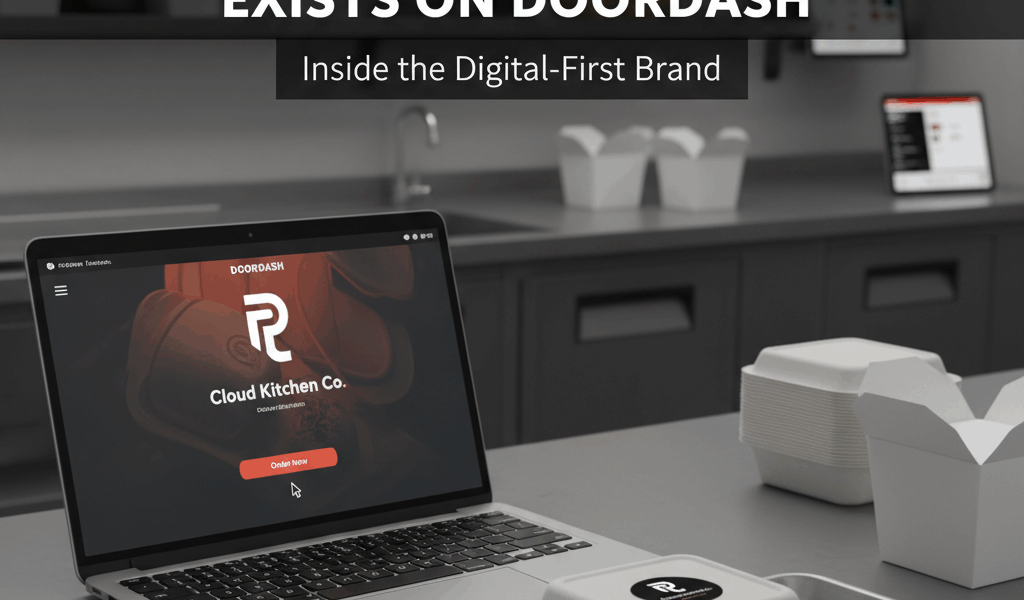
MrBeast Burger launched in 2020 with no physical restaurant, no kitchen, no dining room, and no history in the food business. As someone who ordered from it early and spent a confused few minutes trying to figure out where it actually came from, I learned how the digital-first restaurant model actually works and why it’s now a defined category in the food industry. Today I’ll share what’s happening behind the brands.
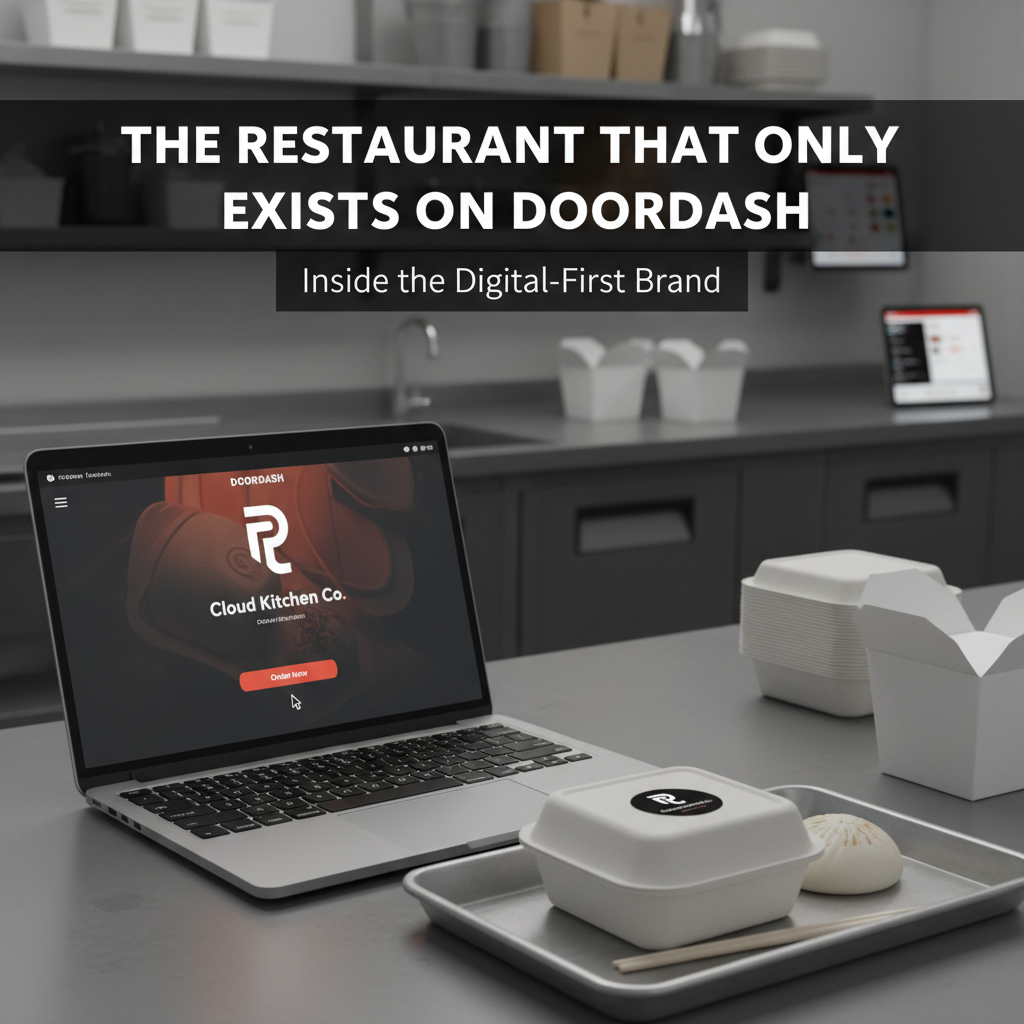
How a Digital-First Restaurant Brand Works
The structure is typically this: a brand (a celebrity, a media company, a food entrepreneur) creates a menu, photographs it professionally, and licenses it to existing restaurants to produce and sell on delivery platforms. The licensing restaurant handles all the food production, packaging, and fulfillment. The brand handles marketing, menu development, and quality standards documentation.
The licensing restaurant benefits by monetizing its idle kitchen capacity under an established brand name. The brand benefits by reaching customers without the capital required to build or lease physical restaurant spaces. Delivery platforms benefit by increasing the number of options on their marketplace. That’s what makes the model endearing to brand operators — the capital requirement to launch is a fraction of a traditional restaurant, and you can be in hundreds of markets simultaneously.
The Quality Control Problem
When a brand licenses its menu to 200 different restaurant kitchens across the country, those kitchens have different equipment, different staff skill levels, and different quality control processes. The same order from the same brand placed in two different cities can taste like different restaurants entirely. The brand sets standards, but enforcing them across hundreds of independent kitchens is a different operational problem than maintaining consistency in a company-owned location.
This is why digital-first brands tend to have more volatile review profiles than traditional restaurant chains. The 5-star and 1-star reviews are often about the same menu item prepared at different licensing locations. I’m apparently someone who rated the same brand a 5 in one city and a 2 in another without realizing they were the same brand until much later.
Why They Keep Launching
Despite the quality control challenges, digital-first restaurant brands keep launching because the economics work at relatively low order volumes. A traditional restaurant needs significant order volume to cover rent, staff, and equipment maintenance. A delivery-only brand has no physical overhead — its fixed costs are primarily marketing and menu development, which scale much better than physical infrastructure.
How to Order From One Well
When you see an unfamiliar brand with lots of professional photos and a polished listing, it’s worth checking the address against other restaurants at that location. If multiple brand names share an address, you’re looking at a licensing operation. I’m burying the lede a bit — sorry. — the most useful reviews for digital-first brands are ones that specify the location, because city-specific quality tends to be more consistent than brand-wide aggregate ratings suggest.

Leave a Reply